
FTL Logistics: What Is Full Truckload Shipping and When Should You Use It?
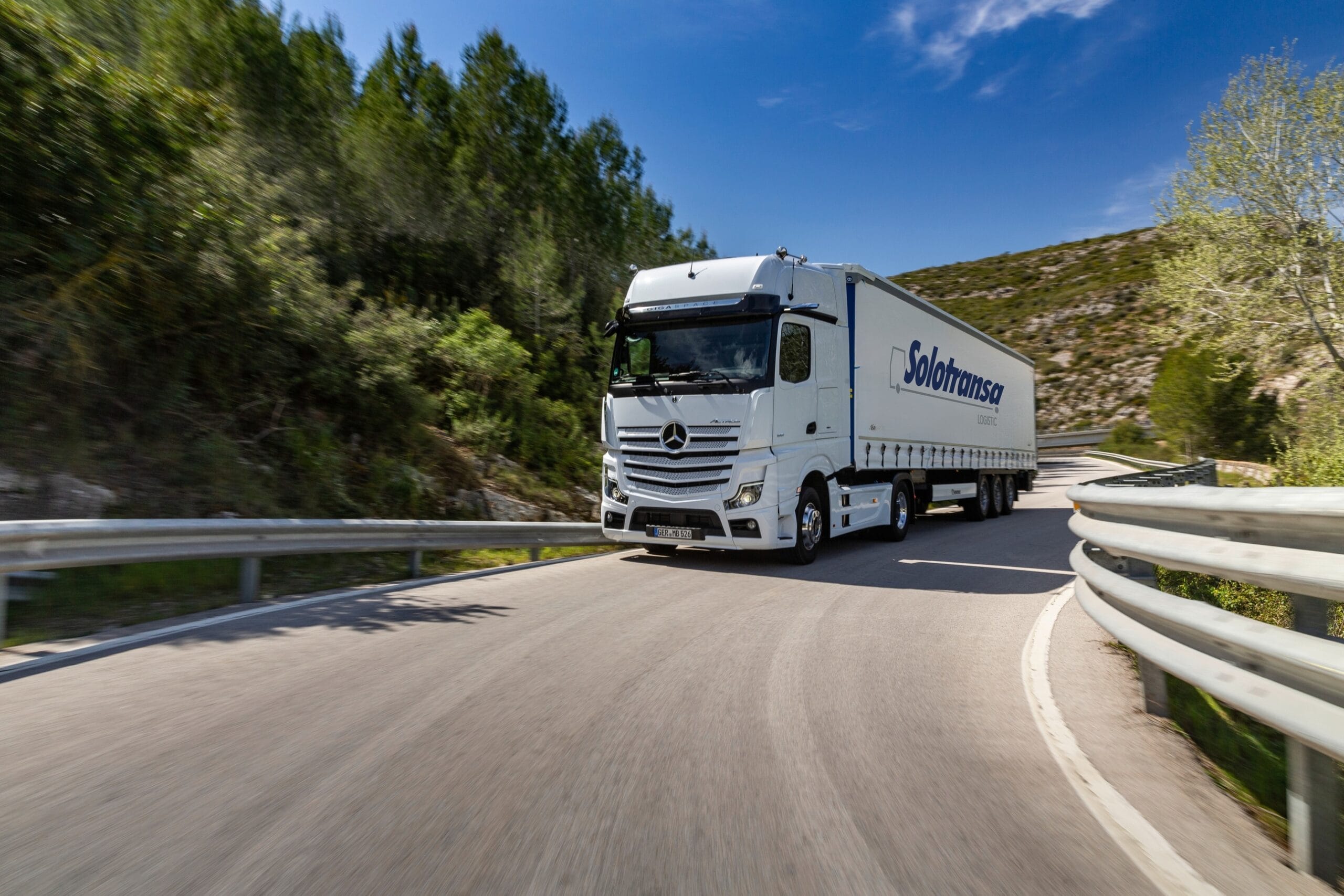
FTL logistics (Full Truckload logistics) is a freight transportation method where an entire truck or trailer is dedicated to one shipper’s cargo. It is commonly used for larger shipments, time-sensitive deliveries, high-value goods, and freight that benefits from direct transportation with minimal handling.
Compared with shared freight services, FTL shipping typically offers faster transit, fewer handling points, and greater control over the shipment.
What Does FTL Mean in Logistics?
FTL stands for Full Truckload.
With FTL transportation, the truck’s capacity is reserved for one customer. The cargo does not necessarily need to fill the entire trailer — businesses may also choose FTL because they need dedicated capacity, faster delivery, or reduced handling.
The typical process is straightforward:
Pickup → Direct road transportation → Delivery
Because the freight usually remains on the same trailer throughout the journey, FTL can simplify transportation and reduce unnecessary cargo handling.
FTL vs. LTL: What’s the Difference?
The main difference between FTL and LTL (Less Than Truckload) is how truck capacity is used.
| FTL | LTL |
|---|---|
| Truck capacity dedicated to one shipper | Capacity shared by several shippers |
| Usually direct transportation | May involve terminals and transfers |
| Less cargo handling | More handling |
| Often faster | Usually slower |
| Best for larger or urgent shipments | Best for smaller shipments |
Neither option is automatically better.
For smaller shipments, LTL can be more economical because you only pay for part of the available capacity. As shipment volume increases, however, booking a full truck can become more efficient.
When Should You Choose FTL Shipping?
FTL logistics is particularly suitable when:
- You have a large shipment. If your cargo occupies most of a trailer, FTL can be more practical than shared transportation.
- Delivery time matters. Direct transportation generally means fewer stops and faster transit.
- Your cargo is valuable or fragile. Fewer loading and unloading operations can reduce the risk of damage.
- You need dedicated capacity. The vehicle is reserved for your shipment rather than shared with other customers.
- You have regular freight volumes. Recurring FTL routes between factories, warehouses and distribution centres can make transportation easier to plan.
What Determines FTL Freight Rates?
FTL prices depend on more than distance.
The main factors affecting an FTL freight quote include:
Distance and route. Longer routes generally cost more, but truck availability at the origin and destination can also significantly affect pricing.
Equipment. Standard trailers, refrigerated vehicles, mega trailers, flatbeds and other specialized equipment have different costs.
Fuel prices. Changes in diesel prices can affect transportation rates and fuel surcharges.
Market capacity. Freight rates can rise when demand for trucks is higher than available capacity.
Lead time. Urgent, last-minute shipments may cost more than transportation booked in advance.
Additional requirements. Waiting time, extra stops, special loading conditions and strict delivery appointments can increase the final cost.
Providing accurate shipment information helps logistics providers calculate a more reliable FTL rate.
How Can Companies Reduce FTL Transportation Costs?
Businesses can improve FTL efficiency by planning shipments earlier, consolidating orders where possible and reducing waiting times during loading and unloading.
Regular freight volumes can also help. When logistics providers have better visibility into recurring routes and shipment schedules, they can plan capacity more efficiently.
Accurate information is equally important. Cargo dimensions, weight, loading requirements, delivery windows and equipment needs should be communicated before transportation is arranged.
The cheapest freight quote is not always the lowest-cost option overall. Reliability, transit time, communication and unexpected additional charges should also be considered.
FTL Logistics in Europe
FTL road transportation is widely used for domestic and international freight across Europe.
Manufacturers, distributors, retailers and other businesses use full truckload services to connect factories, warehouses, distribution centres and customers across the EU and neighbouring markets.
International FTL transportation may also involve additional considerations such as road tolls, ferry connections, driver regulations, delivery appointments and customs procedures on applicable routes.
For companies shipping regularly between European countries, working with a logistics provider that has reliable carrier capacity on the required lanes can improve both cost control and delivery performance.
Frequently Asked Questions
What does FTL stand for?
FTL stands for Full Truckload. It means truck or trailer capacity is dedicated to one shipper’s cargo.
Does an FTL shipment have to fill the whole truck?
No. A business can book an entire truck even when the cargo does not use all available trailer space.
Is FTL faster than LTL?
Usually, yes. FTL shipments typically travel more directly and involve fewer transfers or handling points.
When should I use FTL?
FTL is a good option for larger shipments, urgent deliveries, valuable or fragile cargo, and businesses that require dedicated truck capacity.
How is an FTL freight rate calculated?
The rate depends on factors including distance, route, truck type, available capacity, fuel costs, shipment timing and additional loading or delivery requirements.
FTL Shipping: A Reliable Option for Larger Freight
FTL logistics provides businesses with dedicated truck capacity, direct transportation and reduced cargo handling.
For larger or time-sensitive shipments, it can offer a strong combination of speed, reliability and operational control.
The best choice between FTL and other freight options ultimately depends on shipment size, route, delivery requirements and total transportation cost.
Related posts

The industry that keeps the world moving
Long before we spoke about supply chains, KPIs, or 3PLs, logistics was already s
FMCG Logistics
FMCG stands for Fast-Moving Consumer Goods. And in logistics, the key word is FA

Good transport managers are a bit like ninjas
Many companies view logistics providers simply as transport and warehousing part